Tiếng Việt

A turntable (vinyl player) is an analog source that reads grooves on a vinyl record, converts mechanical vibration into an electrical signal, then sends it through a phono stage and amplifier to your speakers. Browse the full range on District M’s turntable page.
Quick summary: A deck combines platter + motor/belt + plinth, a tonearm, and a cartridge (stylus). Three main groups: plug and play (open box and listen), mainstream (upgradeable), and hi-end (modular, expensive). MM cartridges are easier than MC; most systems need a phono stage (built-in or external). Beginners should start with a deck that has phono EQ and a pre-installed cartridge.

What is a turntable?
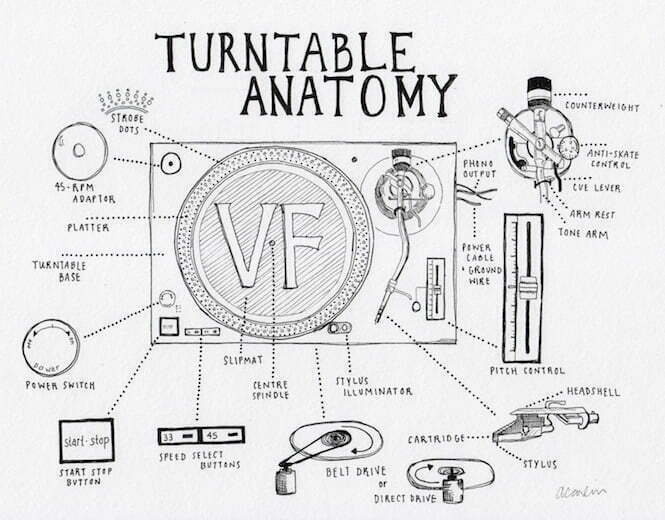
A turntable reads audio stored in LP, EP, or SP grooves and converts it to an electrical signal before amplification. Three main mechanical blocks:
- Platter: the record sits on the platter; the platter spins on a shaft and bearing.
- Drive: direct-drive motor or belt-drive from motor to platter.
- Plinth: the chassis that supports everything, usually MDF or aluminum, with isolation feet.
Platters are often aluminum, brass, or dense plastic, weighing about 3-5 kg for speed stability and vibration control. Good decks have adjustable feet; high-end models may suspend the platter and tonearm separately for isolation.
Types of turntables
Construction and price vary widely. These three groups cover most beginners and long-term vinyl listeners:
| Type | Traits | Best for |
|---|---|---|
| Plug and play | Cartridge, arm, and phono pre-set; plug in and listen | Beginners, entry budget |
| Mainstream | Standard features; swap or upgrade cartridge and phono | Most vinyl listeners |
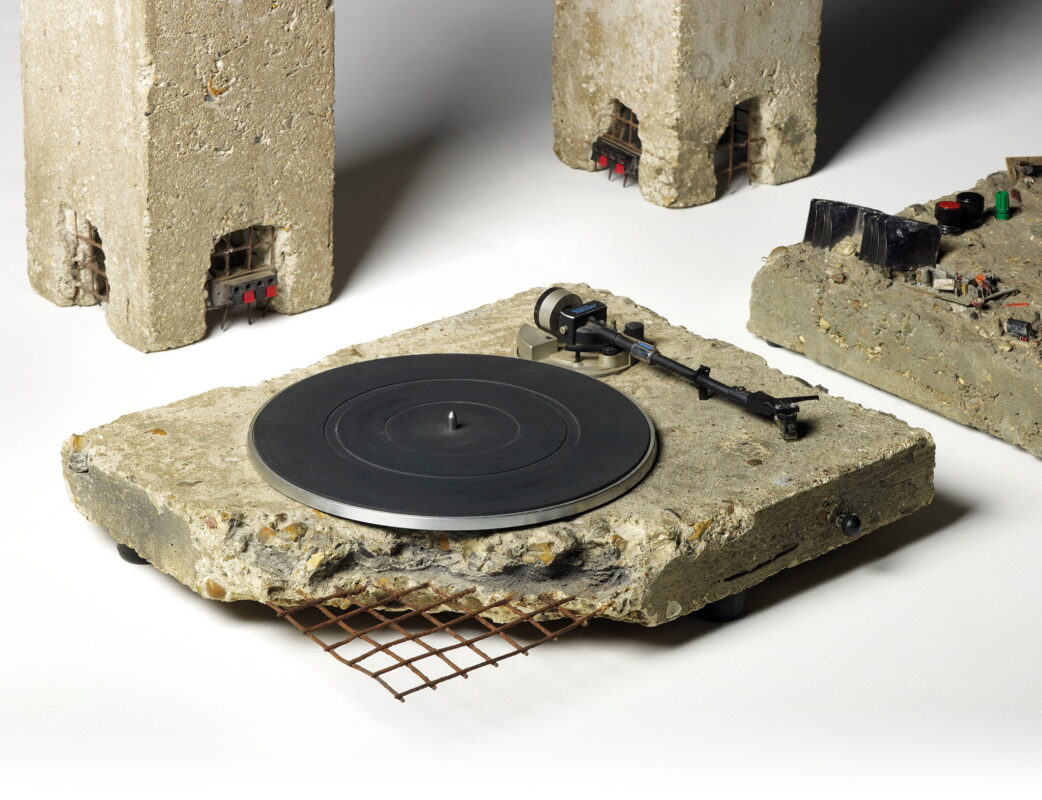
| Hi-end | Complex mechanics; modular; high price | Audiophiles, long upgrade path |
Plug and play: open box and listen
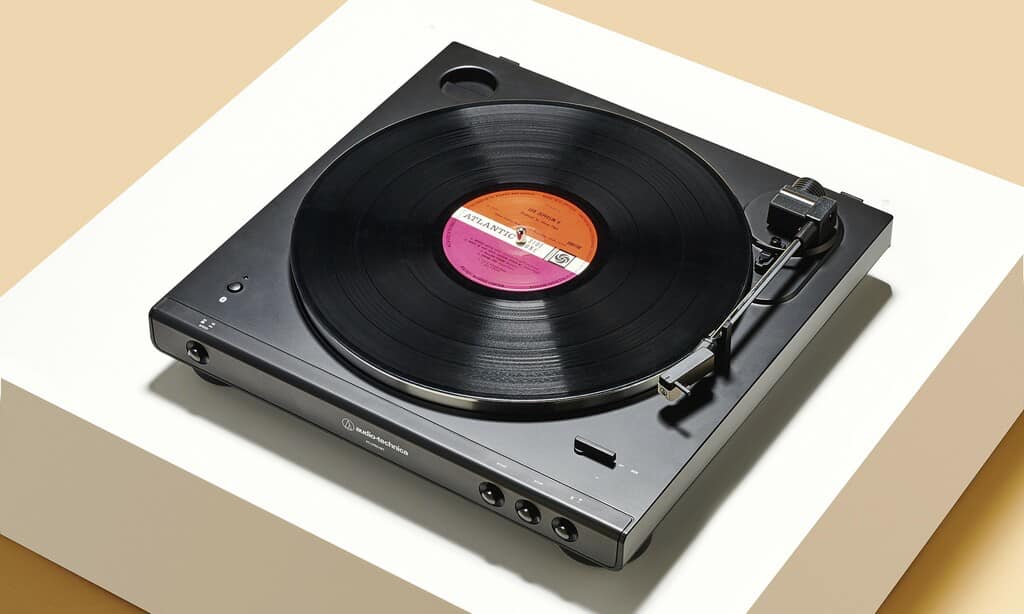
Compact decks with factory cartridge, tonearm, and phono EQ. Connect active speakers or a line-input amp – no complex alignment. Entry example: Audio-Technica AT-LP60XBT (with Bluetooth). Read more: AT-LP60XBT for beginners.
Mainstream: upgradeable
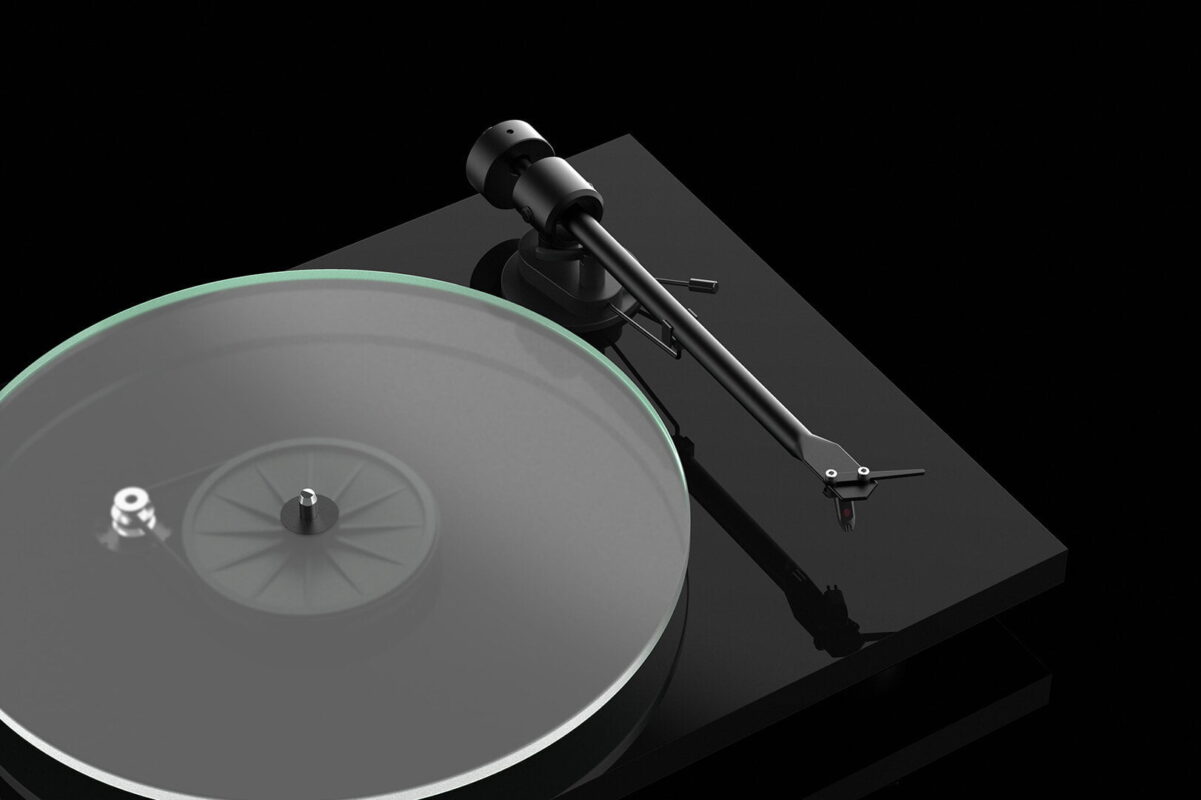
Swap cartridges, change phono stages, or upgrade tonearms (model-dependent) at balanced prices for most users. Example: Pro-Ject T1 Phono SB with built-in phono and pre-installed cartridge.
Hi-end: modular and costly
Hi-end decks often split into separate blocks (plinth, tonearm, external phono), with refined mechanics and setup experience required. Prices from several thousand USD upward; sound depends on matching cartridge, arm, and phono – not price alone.

Tonearm
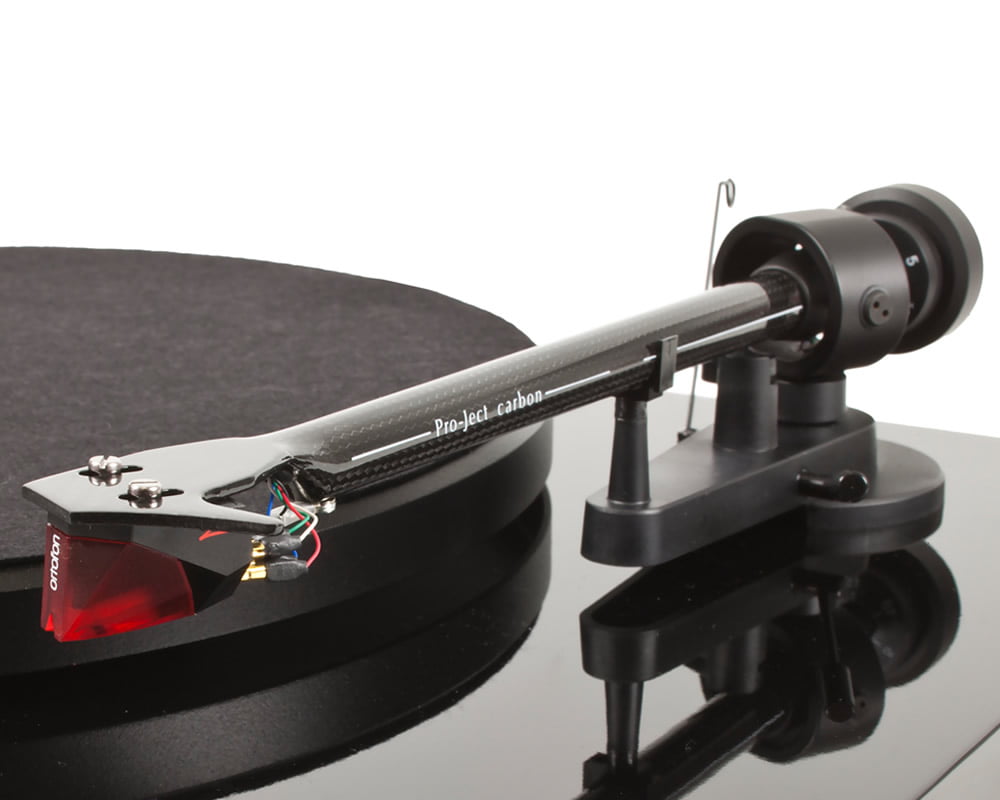
The tonearm holds the cartridge: counterweight, anti-skate, and bearing type (unipivot, gimbal, etc.). Common materials are aluminum and brass; premium arms use carbon to reduce resonance when bass is strong.
Some hi-end decks isolate the tonearm from vibration or support dual tonearms for two cartridges. Pro-Ject carbon arms are a mid-range example of better tracking:
Cartridge: MM and MC
The cartridge largely defines sound: the stylus tracks the groove, vibration travels through the cantilever to the generator. Styli are usually industrial diamond; profile shapes (spherical, elliptical, Shibata, etc.) affect detail and cost.
Two main types: Moving Magnet (MM) and Moving Coil (MC). Full comparison: MM vs MC cartridges.
MM cartridges
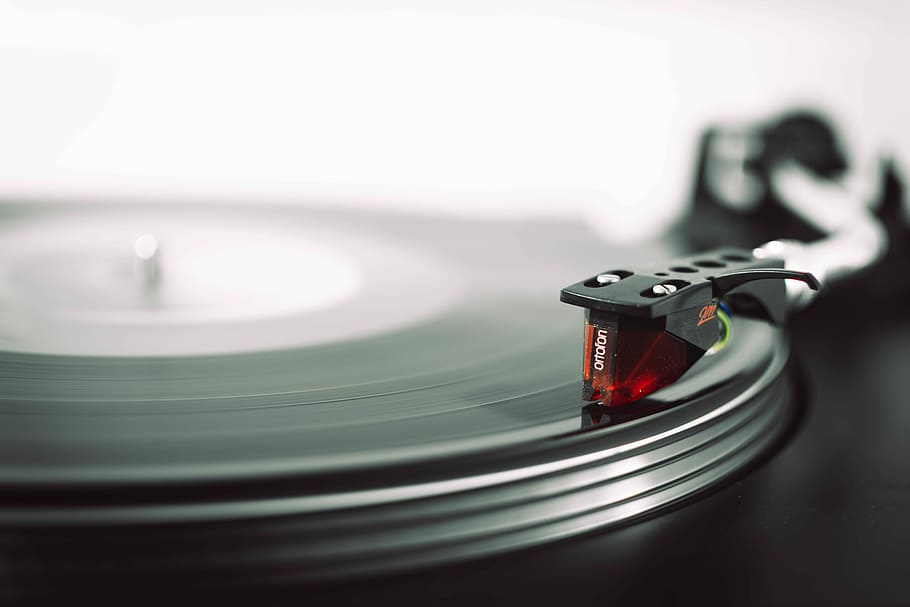
Magnets on the moving cantilever; fixed coils. MM is common, stylus replacement is easy, and output is higher for standard MM phono stages. Sound tends to be warm and musical; detail often trails MC at the same price. Entry example: Ortofon 2M Red.
MC cartridges
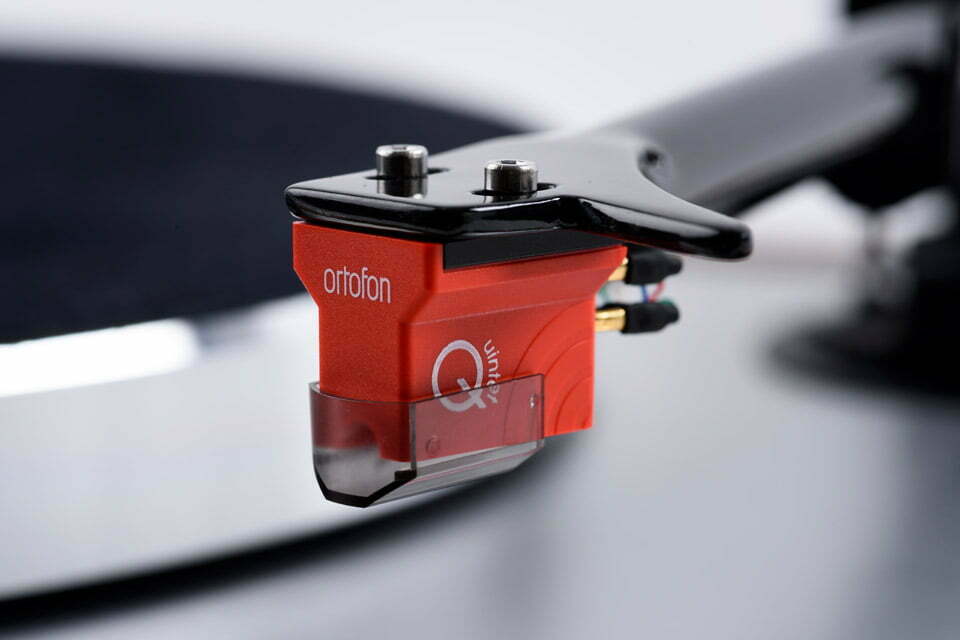
Coils on the moving cantilever; fixed magnets. MC is usually more expensive, lower output, and needs MC phono or a step-up transformer. Benefits: lighter cantilever, less resonance, cleaner and more detailed sound. When upgrading, see our cartridge buying guide at District M.
What is a phono stage?
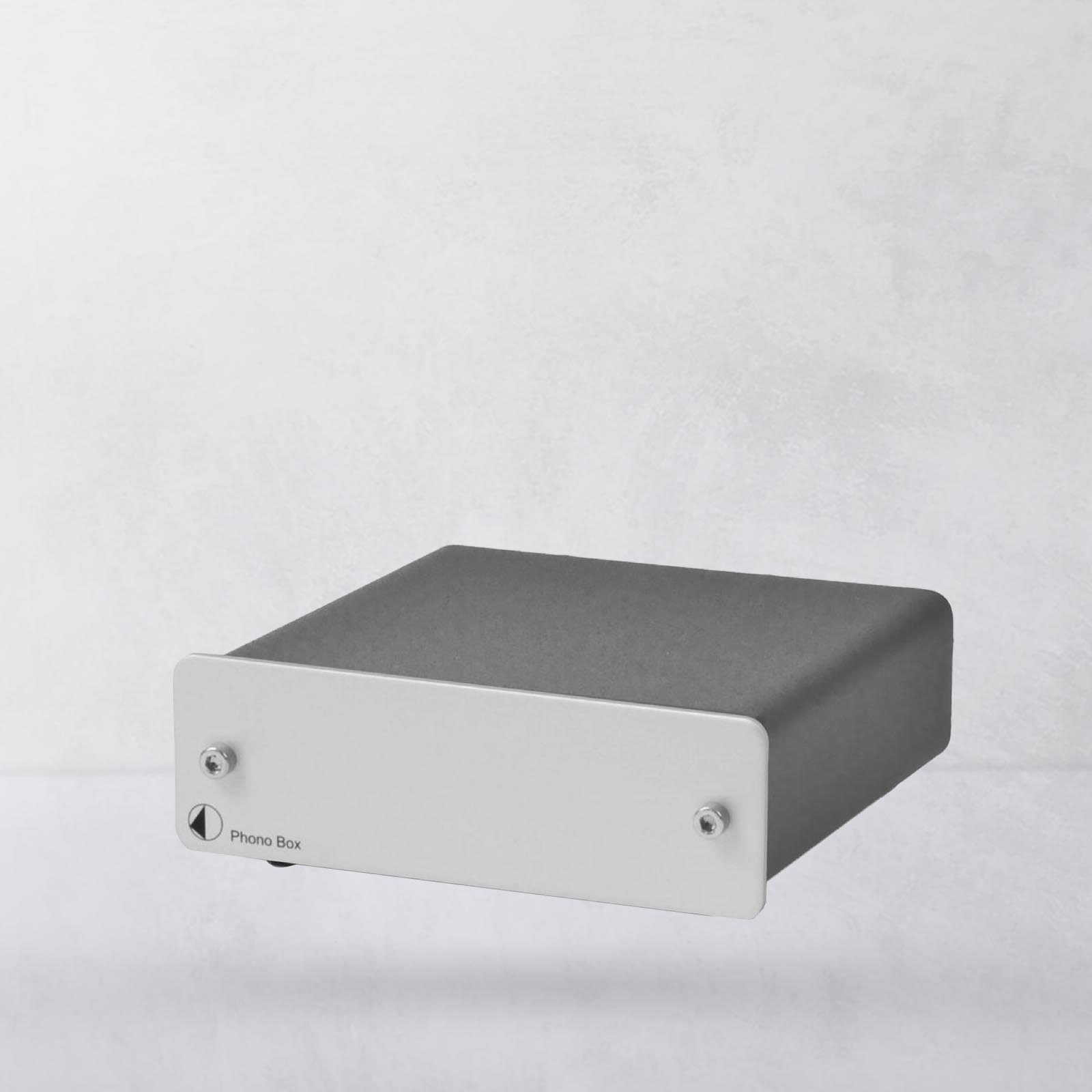
A phono stage (phono preamp) amplifies the tiny cartridge signal to line level and applies RIAA equalization per vinyl industry standards. Phono can be:
- Built into the turntable (many entry-mid decks)
- Built into an amplifier (Phono input)
- A separate box (dedicated upgrade)
Beginners often choose a deck with built-in phono or an amp with MM phono input. Popular external upgrade: Pro-Ject Phono Box DC.
Should you get a turntable?
If you want authentic analog sound, a slower ritual of cueing the stylus, and do not need a huge system, a turntable is still a sensible entry. Beginners should:
- Choose plug and play or a deck with built-in phono
- Start with an MM cartridge
- Pair with active speakers or a store-ready combo
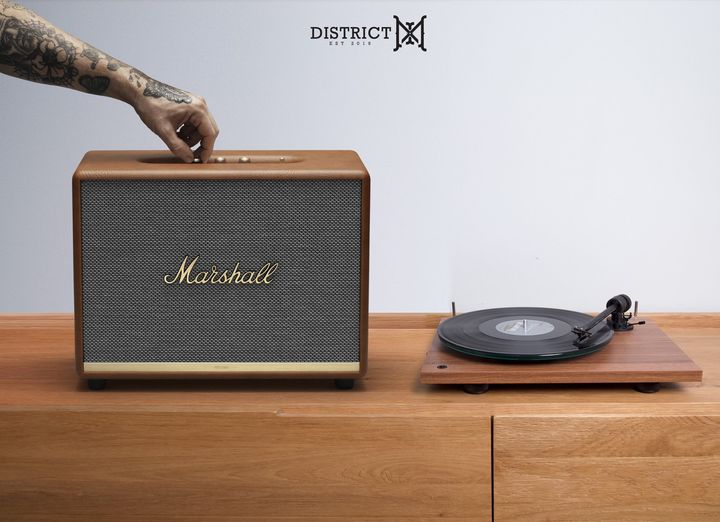
District M offers many pre-matched turntable + speaker sets. See top turntables worth buying or affordable decks for beginners 2026.
FAQ
How is a turntable different from a Bluetooth speaker?
A turntable plays vinyl records (analog). Bluetooth speakers play digital music. Many setups combine a turntable with active speakers or an amplifier.
Which type should beginners choose?
Plug and play or a mainstream deck with built-in phono and pre-installed cartridge. Avoid hi-end until you have setup experience.
MM or MC for a first cartridge?
MM is easier to use, stylus swaps are simple, and MM phono inputs are common. MC fits when you already have a system and MC phono.
Do I need a separate phono stage?
No if the deck or amp already has built-in phono. Add an external stage when upgrading to MC or wanting higher-quality RIAA.
Is turntable setup difficult?
Plug and play: very easy. Mainstream decks: basic tracking force and anti-skate. District M helps with setup when you buy in store.
Reference: Stereo.vn. Product photos and examples from District M.
Conclusion
Turntables do not have to be complicated if you pick the right tier: understanding platter, tonearm, cartridge, and phono is enough to start. From plug and play to modular hi-end, vinyl remains a hobby tied to honest sound and intentional listening.
Start with vinyl at District M
Turntable advice, speaker pairing, and showroom demos.
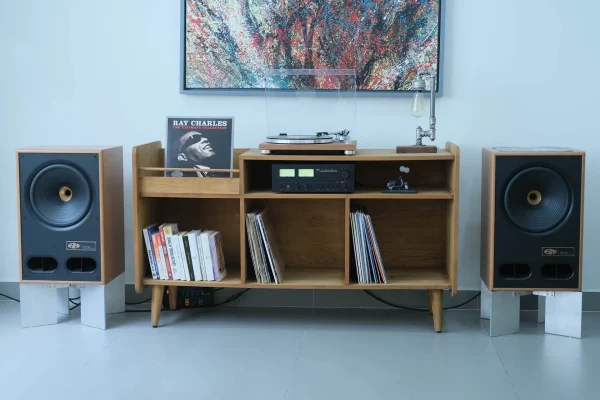
A Vinyl Listening Corner at District M: Vestlyd V12C × NAD C 3030 × TEAC TN-400BT-X
A new vinyl corner at District M: Vestlyd V12C, NAD C 3030 VU meters, TEAC [...]
Aug