Tiếng Việt
A turntable is a mechanical device that reads vinyl grooves, with parts mounted on the plinth (chassis): a motor spins the platter, the tonearm holds the cartridge, and the stylus contacts the groove. Understanding each block helps you set up correctly, maintain the stylus, and upgrade with intent. Browse decks on District M’s turntable page.
Quick summary: Six main parts on a deck: plinth (base, vibration isolation), motor (belt or direct-drive), platter (spinning disc), slipmat (mat), tonearm (arm + rest), and cartridge (headshell + stylus). Beyond the deck you need a phono preamp and speakers to hear music. MM cartridges are common for beginners; MC needs a dedicated phono stage.
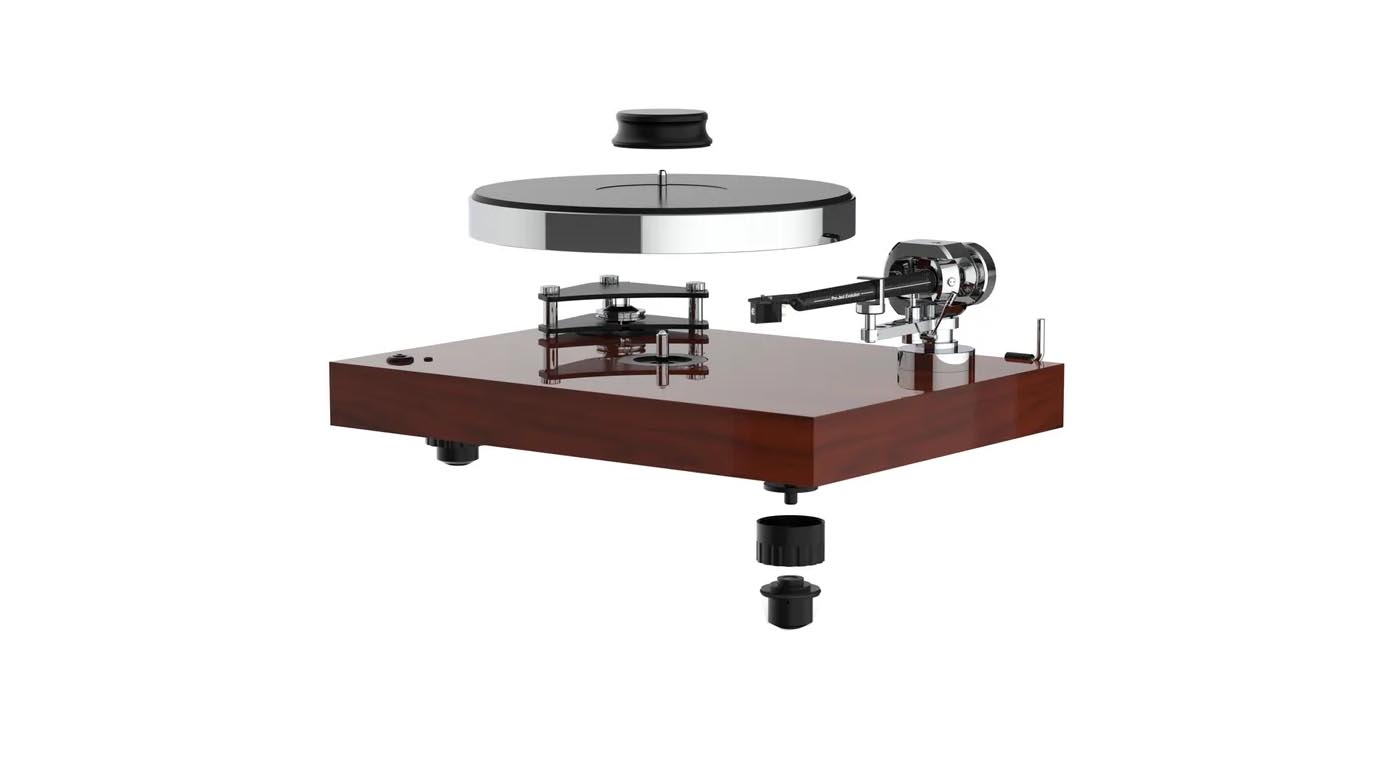
What are the parts of a turntable?
Vinyl stores sound as physical grooves spinning at 33⅓ RPM (LP) or 45 RPM (single). The stylus rides the groove; vibration is converted to a tiny electrical signal (mV) by the cartridge, then passes through a phono preamp before reaching your speakers. Every mechanical detail affects speed stability, noise, and sonic accuracy.
| Part | English term | Main role |
|---|---|---|
| Chassis base | Plinth | Frame for all parts, vibration isolation |
| Motor | Motor | Spins the platter (belt or direct) |
| Spinning disc | Platter | Record platform, rotational inertia |
| Mat | Slipmat | Protects records, reduces friction/static |
| Arm | Tonearm | Holds cartridge, transmits vibration |
| Cartridge | Cartridge | Converts vibration to electrical signal |
More beginner paths: vinyl listening guide 2026 and basic turntable knowledge.
Plinth: the chassis base
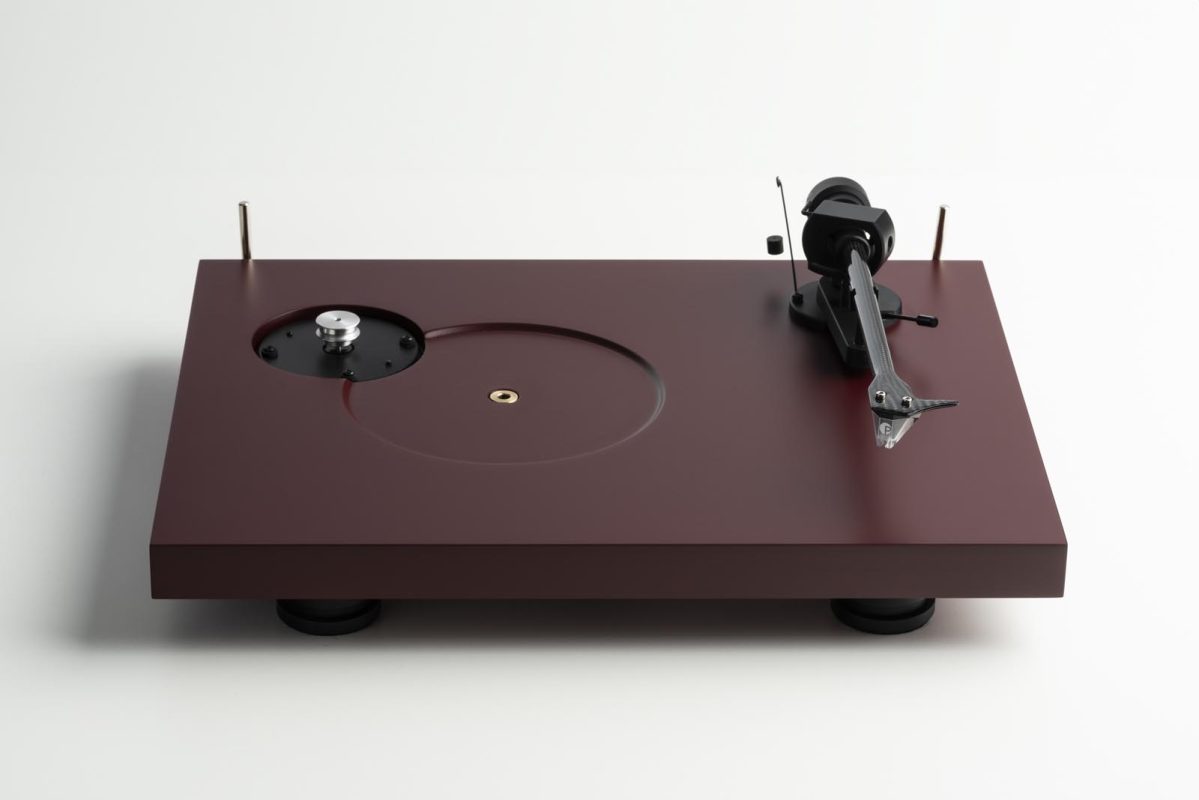
The plinth is the foundation that mounts the motor, platter, tonearm, and electronics. Common materials: MDF, solid wood, composite plastic, or metal; higher-end decks often use layered construction to damp resonance.
- Positioning: keeps parts at the correct distance and angle.
- Vibration isolation: absorbs desk, speaker, or footfall vibration so less reaches the stylus.
- Mass stability: a heavy, rigid plinth helps reduce rumble (background mechanical noise).
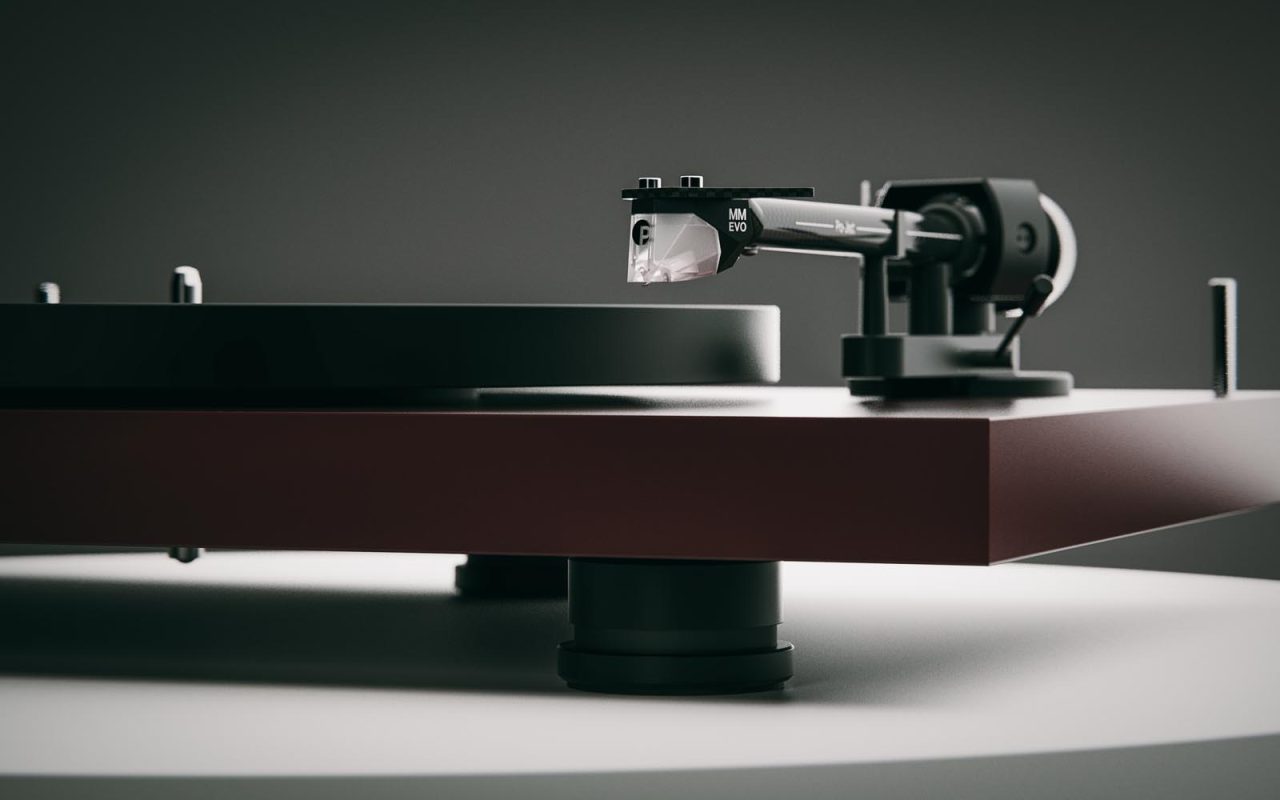
Example of a well-finished plinth: the Pro-Ject Debut EVO 2.
Motor and drive
The motor provides rotation for the platter. Two common types:
- Belt-drive: motor is decoupled from the platter by a belt, reducing motor vibration reaching the stylus. Common on entry and mid-level audiophile decks.
- Direct-drive: motor sits on the platter spindle for stable speed and high inertia; typical on DJ decks and some hi-end models.
Detailed comparison: belt-drive vs direct-drive. Standard speeds 33⅓ RPM and 45 RPM need accurate adjustment (manual or automatic depending on the deck).
Platter: the spinning disc
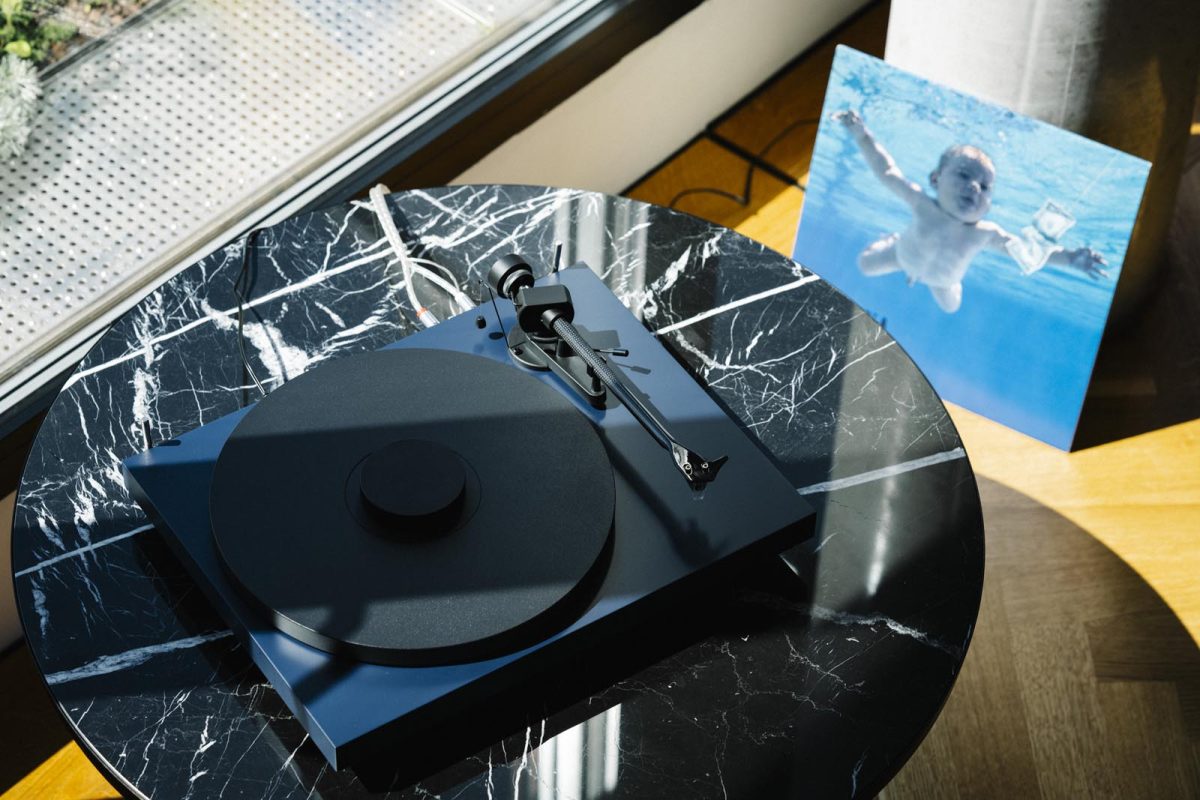
The platter is the round metal or composite disc; you place the slipmat, then the vinyl record on top. Common materials: cast aluminum (solid inertia), acrylic (less resonance and static), glass (high flatness).
- Maintains stable speed through mass and a smooth bearing (shaft).
- Reduces wow/flutter (speed variation) that affects musical pitch.
- Indirect contact surface for the record via the slipmat.
Slipmat: the record mat
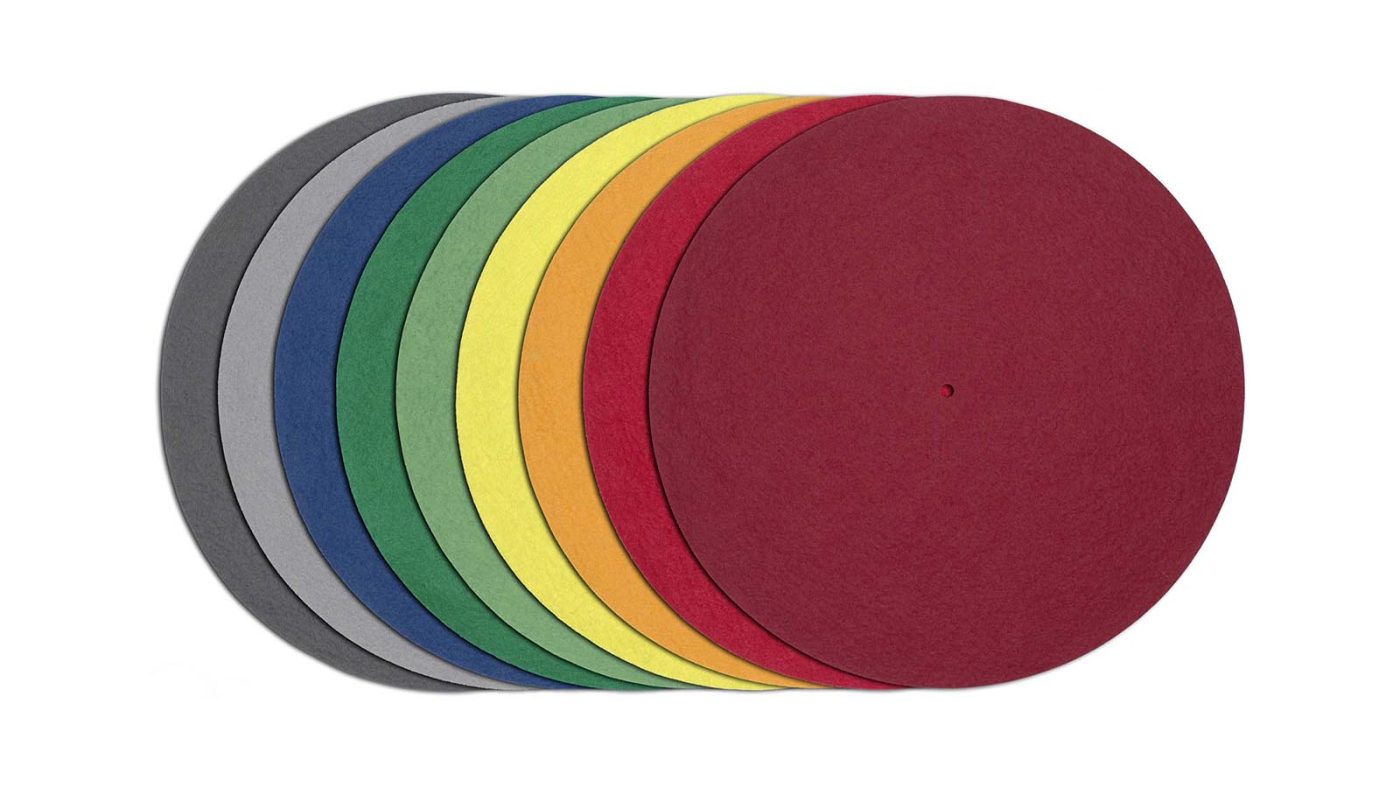
The slipmat sits between platter and record. Materials include felt, rubber, leather, or anti-static synthetics.
- Record protection: avoids scratching the underside against bare platter metal.
- Friction control: for listening, absorbs platter vibration; for DJ use, allows slip when cueing.
- Static reduction: limits dust attraction (combine with regular record cleaning).
Replacement slipmats, acrylic mats, or clamps: see turntable accessories.
Tonearm and tonearm rest
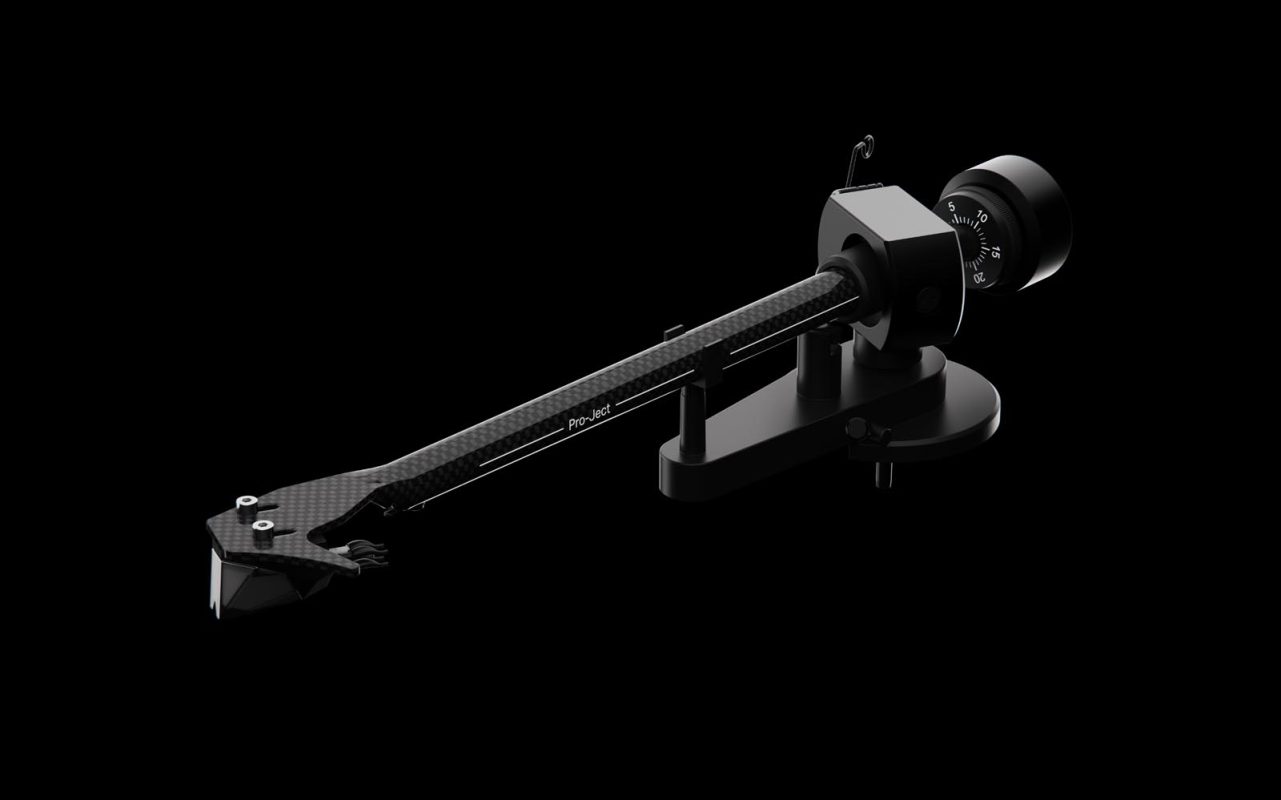
The tonearm holds the cartridge and guides the stylus into the groove with the correct tracking angle and tracking force (often 1.5–2.5 g depending on cartridge). Built from aluminum, carbon, or light alloys to lower inertia and resonance.
- Maintains stylus contact angle with the groove (SAEC, offset angle).
- Travels horizontally along the record’s spiral groove.
- Transmits groove vibration to the cartridge with minimal signal distortion.
The tonearm rest parks the arm when not playing. Always return the stylus to the rest after listening to avoid bumps that bend the stylus or damage the cartridge.
Cartridge and stylus: the playback head
The cartridge converts mechanical groove motion into electricity. The stylus (needle) is the direct contact point, usually diamond or sapphire, ground conical, elliptical, or line-contact depending on tier.
| Type | Traits | Best for |
|---|---|---|
| MM (Moving Magnet) | Higher output (~2.5–5 mV), user-replaceable stylus, affordable | Beginners, entry decks |
| MC (Moving Coil) | Lower output, needs MC phono or step-up, high detail | Audiophiles, upgrade systems |
How to choose and swap cartridges: turntable cartridge guide. After the cartridge, signal must pass through a phono preamp before the speakers (many entry decks include one).
Stylus shape affects groove contact: conical (spherical) is durable and easy; elliptical retrieves more detail; line contact (Shibata, nude…) offers high resolution but demands careful setup and costs more. Beginners often start with a factory-fitted MM elliptical such as Ortofon OM series.
Beyond the deck: what else do you need?
A turntable is only the playback head. To hear music you also need:
- Phono preamp: boosts MM (~2.5–5 mV) or MC (often <1 mV) signal to line level (~300 mV–2 V) before amp/speakers.
- Active speakers or amp + speakers: reproduce sound; active speakers have built-in amplification, so you only need RCA from phono.
- Vinyl records: the physical music source; pressing quality and groove cleanliness directly affect sound.
Simple all-in-one suggestions without a separate amp: turntable and speaker sets for beginners.
Basic setup and maintenance
Once you know the parts, correct operation protects records and styli:
- Level the deck: place on a flat surface; adjust feet (if fitted) so the platter sits horizontal; tilt skews tracking force.
- Tracking force and anti-skate: set per cartridge maker guidance (usually on the box or Ortofon/Audio-Technica website).
- Cleaning: light brush before each play; records with dedicated fluid; avoid touching grooves with fingers.
- Stylus replacement: MM styli typically last 500–1,000 hours depending on brand; sibilance, stereo collapse, or skipping grooves signal replacement time.
- Storage: always use the tonearm rest and dust cover; avoid placing near powerful bass speakers that can cause mechanical feedback.
For step-by-step depth, start from the 2026 turntable guide (setup and record care sections).
Frequently asked questions
What is a plinth on a turntable?
The plinth is the deck’s base/chassis where motor, platter, and tonearm mount. Its main job: hold everything rigid and isolate vibration from the environment.
Do you have to use a slipmat?
Recommended. A slipmat protects records, reduces friction, and limits static. Some acrylic platters allow mat-less play, but scratch risk is higher.
How do MM and MC cartridges differ?
MM outputs a stronger signal and works with standard phono stages. MC offers more detail but needs MC phono or step-up and usually costs more.
Why park the tonearm on its rest?
Stylus and cantilever are fragile. The tonearm rest prevents bumps when not playing, extending stylus and cartridge life.
Can you listen right after buying a deck?
Only if the deck has a built-in phono stage and you already own active speakers with RCA line-in. Otherwise you need a phono box and amp/speakers.
Summary
Plinth, motor, platter, slipmat, tonearm, and cartridge are the six core mechanical blocks on a turntable. Each affects stability, noise, and sound; cartridge choice and tonearm setup are often the biggest upgrade levers. After the deck you still need phono and speakers to hear music. District M advises on decks, cartridges, and combos in the turntable catalog.
Choose the right deck and accessories
Entry decks, MM cartridges, or turntable + speaker combos: District M supports setup from A to Z.
Terms plinth, platter, tonearm, and MM/MC classification follow analog audio industry usage; tracking force figures are illustrative (06/2026). Product availability and pricing: contact District M at time of purchase.